Saving Energy
Five Simple Ways to Reduce Energy Waste at Home
Not every energy-saving tip is worth the effort. These five are ordered by the difference they make to a typical British home.
By Kettle Energy, Editorial team5 min read
Energy advice has a credibility problem. Too much of it focuses on small gestures that feel virtuous but change very little, while the things that genuinely matter go unmentioned because they are less charming. Here are five changes, ordered by impact.
1. Turn the heating down by one degree
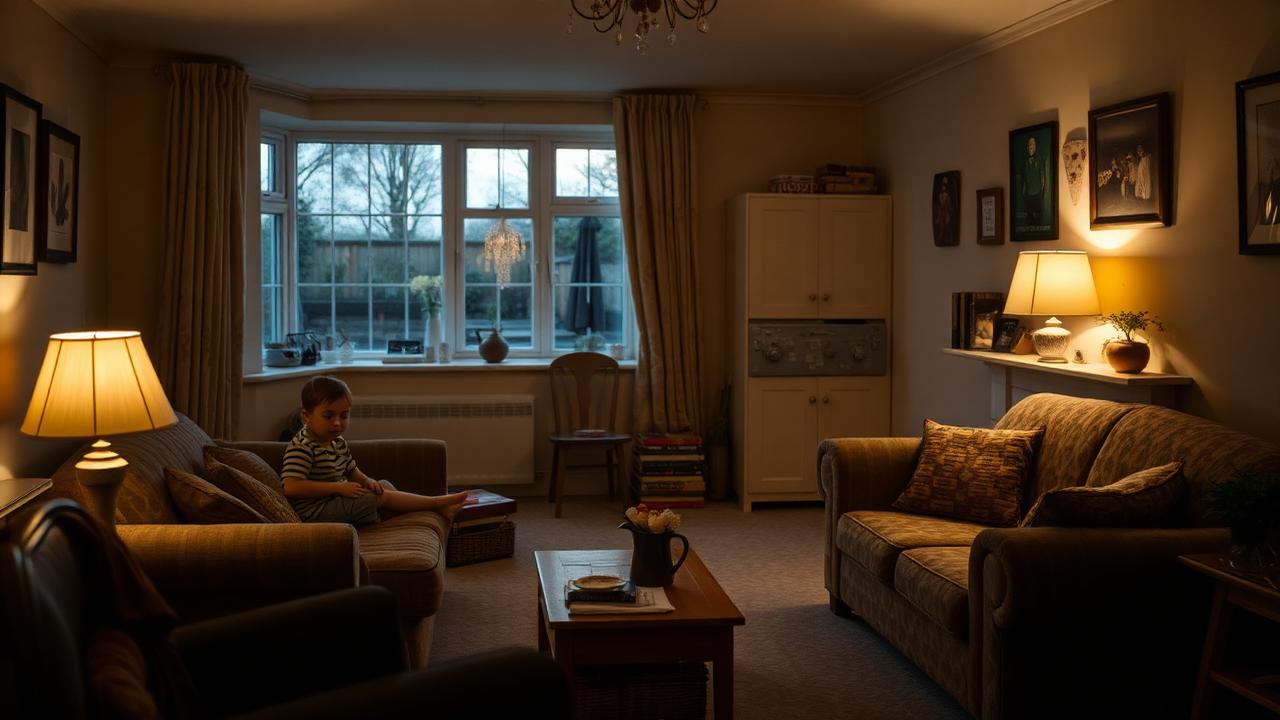
Space heating dominates household energy use in Britain for most of the year. A single degree on the thermostat is barely perceptible and reduces heating demand measurably. If anyone in the household is elderly, unwell or very young, keep the home warm — this advice is about comfort you will not miss, not about being cold.
2. Fix what heats water unnecessarily
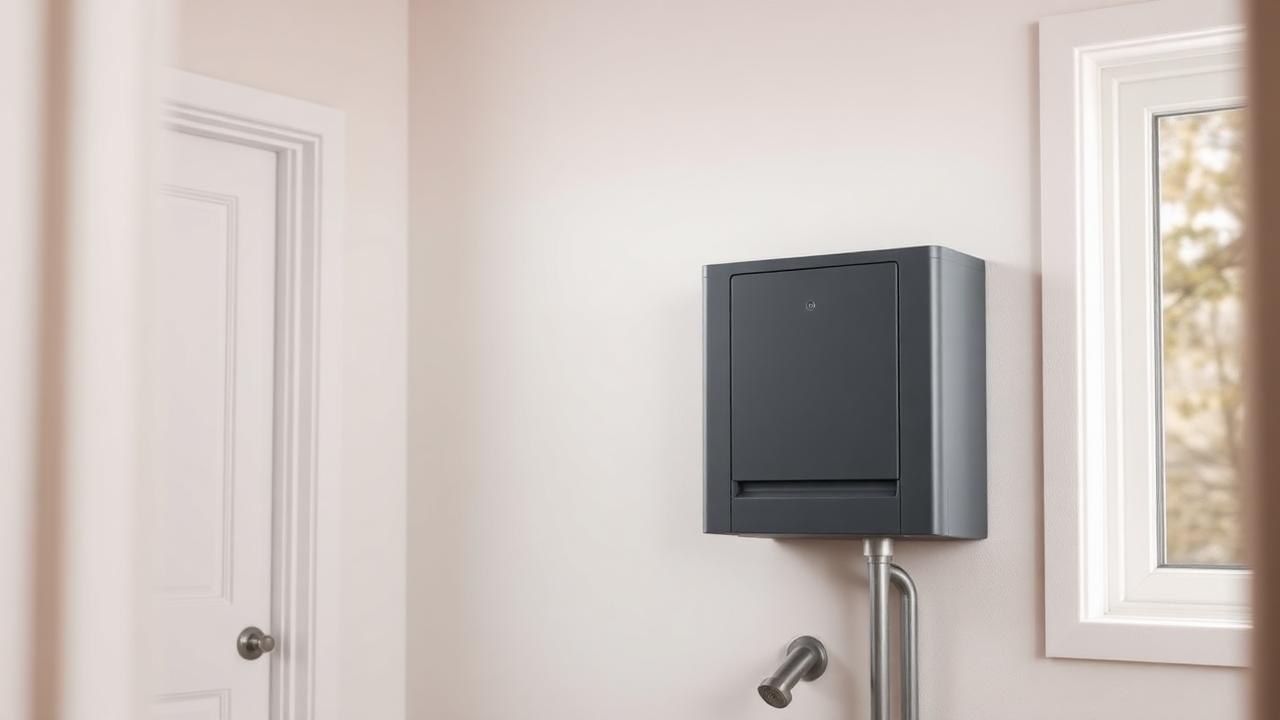
Boiling a full kettle for one cup, running a hot tap while washing up, and an immersion heater on a timer that no longer matches the household's routine are all quiet, continuous waste. Filling the kettle to the level actually needed is the rare small gesture that adds up.
3. Run the big appliances less often, fully loaded
- A half-empty dishwasher uses nearly the same energy as a full one.
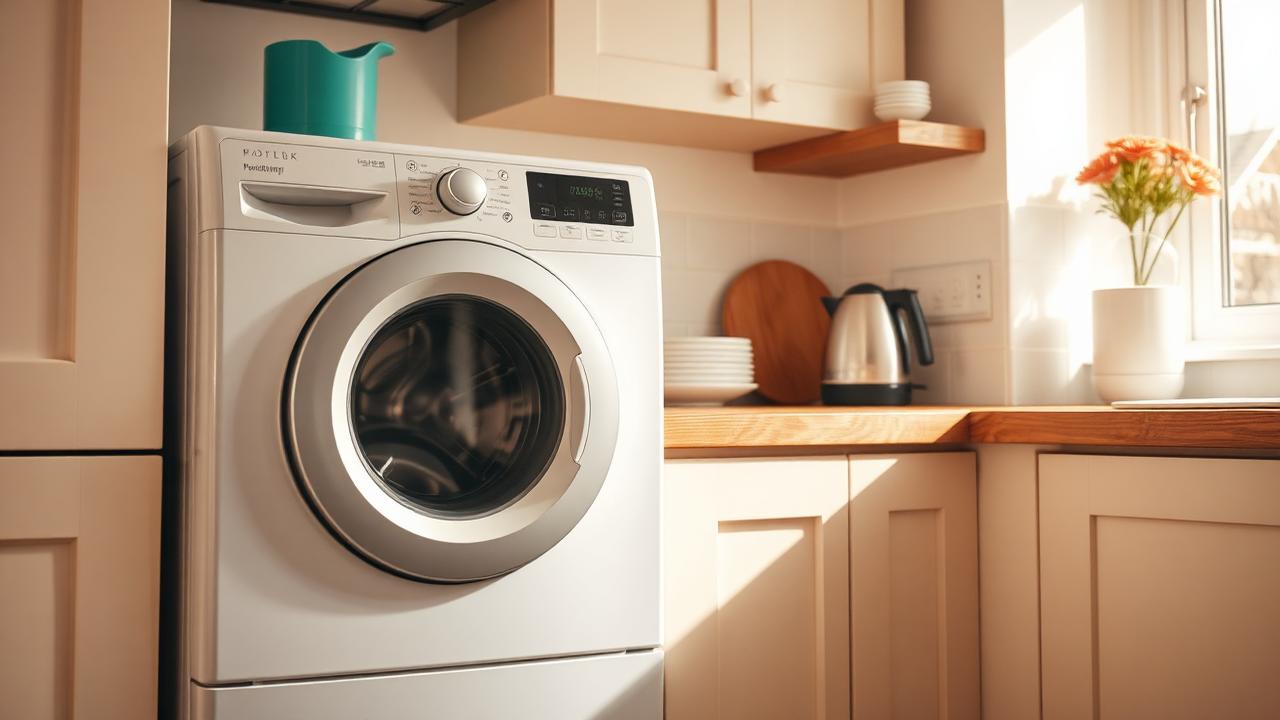
- Washing at 30°C instead of 40°C cuts the energy per cycle substantially.
- Tumble dryers are among the most energy-hungry appliances in the home; air drying where practical makes a real difference.
4. Deal with standby, but do not obsess
Modern devices draw far less on standby than older ones, so this is no longer the headline saving it once was. It is still worth switching off games consoles, set-top boxes and desktop computers, which remain among the worst offenders.
5. Shift what you can into cheaper hours
If you are on a time-of-use tariff, running the dishwasher or charging a car overnight costs less and usually carries a lower carbon intensity. This is exactly the principle that battery storage automates: the same electricity, bought at a better moment.
None of this replaces proper insulation and efficient heating, which remain the largest single opportunity in most British homes. If your landlord offers an energy efficiency survey, take it.